
The Guaraní people's ‘lost mate’: Why the secret to health lies in returning to the jungle
Recently, the newspaper El País published an article that has resonated deeply with our community: ‘In search of the lost mate: a story of love and resistance’. It explores a phenomenon that we at Meta Mate know very well: the need to recover the essence, flavour and ethics of the original yerba mate, far from mass industrial processes.
The article recounts how, after decades of standardisation, a resistance movement is emerging that seeks to protect native forests and ancestral harvesting techniques. It talks about mate, which is not just a drink, but a link to the jungle and biodiversity.
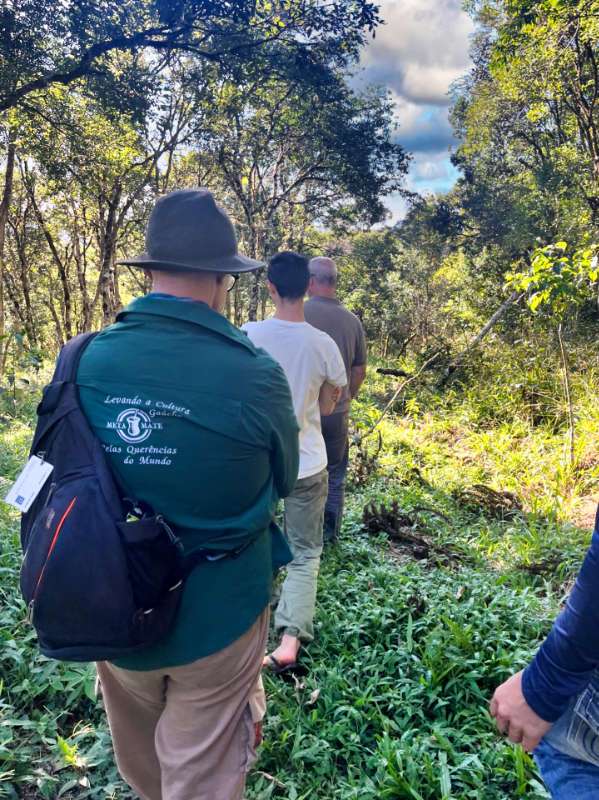
What the market calls ‘novelty’ is our raison d'être at Meta Mate.
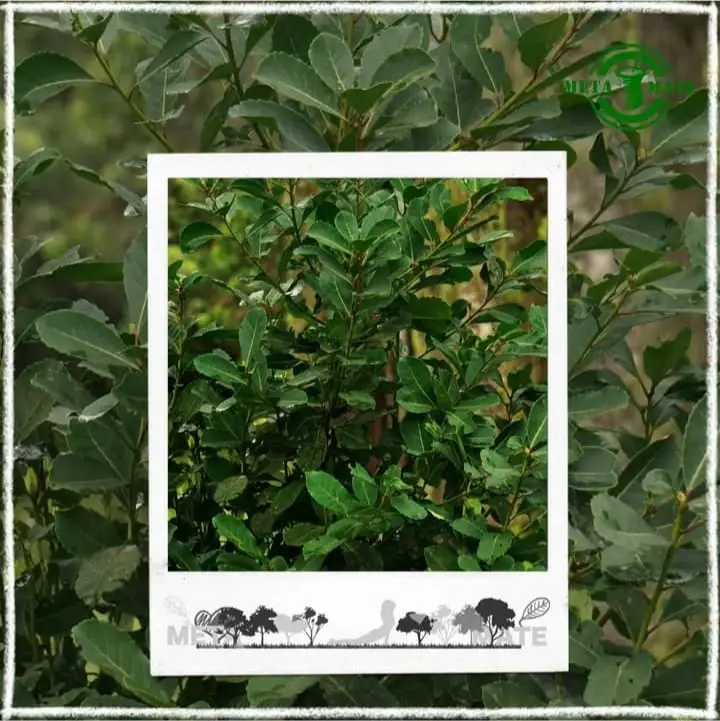
For the Guaraní people, Ka'a (yerba mate) is a divine gift. They did not understand mate as a product that is planted in endless rows under the scorching sun. Authentic mate is a child of the forest: it grows in the shade of native trees, absorbing minerals from living, protected soil.
This ancient method guarantees a complex flavour and, most importantly, a harmonious effect on our bodies. However, the modern industry has forgotten this origin, prioritising quantity over health.
Why does industrial mate cause acidity and ours does not?
Many people believe that acidity is an intrinsic property of yerba mate, but science and tradition tell us otherwise. Stomach discomfort is usually the result of industrial processes, not the plant itself. Here are the three key reasons:
- Growth in shade vs. full sun: Industrial yerba mate is grown in monocultures exposed to the sun. To protect itself from solar stress, the plant generates a higher concentration of tannins and saponins, which are bitter compounds that defend the plant but can irritate the gastric mucosa. Authentic mate grows wild in the shade of the forest, maintaining a natural and milder chemical balance.
- No ageing: The industry uses sun-dried yerba (with more tannins/defences) and the yerba comes out ‘aggressive’. That is why they need to age it for 6 to 24 months: so that natural oxidation softens those irritating compounds. At Meta Mate, we do not need to age it, so we preserve all its properties.
- No chemicals or metals: The use of nitrogen fertilisers in industrial plantations alters the pH of the leaves. By consuming organic, wild-grown mate, you avoid ingesting chemical residues that disrupt digestion.
Unlike industrial processing, which uses high temperatures to dry the yerba quickly—which can alter the pH of the leaf and cause acidity—at Meta Mate we are committed to a slow and careful process. Our yerba grows in the shade, which makes it naturally milder. This allows us to do something that the industry cannot: offer you fresh yerba, without the need for long ageing processes, thus preserving all the antioxidants and energy that are lost over time."
The future of mate lies in its past
We are delighted that prestigious media outlets are giving voice to this reality. The ‘search for the lost mate’ ends when you understand that quality cannot be mass-produced; it must be cultivated with time and respect.
If after reading the article in El País you are eager to experience what history and the jungle really taste like, we invite you to explore our selection. At Meta Mate, we have been bringing you that ‘lost mate’ directly to your home for 13 years.
Sources and references:
To back up this data, you can consult the following reference sources in the sector:
- ‘In search of the lost mate’ (El País, 2024): The article mentioned confirms that the recovery of ancestral techniques reduces the negative side effects of industrialised mate. Article from El País.
- Study on Polyphenols and Saponins: Research published in the Journal of Food Composition and Analysis details how growing conditions (shade vs. sun) alter the chemical composition of Ilex paraguariensis.
- pH analysis in Yerba Mate: Various studies conducted by agricultural universities in Misiones (Argentina) and southern Brazil show that wild mate has a more balanced pH than that grown on intensive plantations.
- Dante, G. et al.: Studies on the influence of shade vs. sun cultivation on the concentration of bitter compounds in yerba mate.